Kitchen Renovation: From Closed-in Colonial to Open-concept Living - Dover Home Remodelers

June 29, 2017

Kitchen Renovation: From Closed-in Colonial to Open-concept Living

Guest Blog: Designer Chika Aizu

BLOG #1 of 4 IN A SERIES

Our team at Dover was recently honored by NARI with a Contractor of the Year (CotY) Award: Honorable Mention: Kitchen $60,001-$100,000. For the next four weeks, I’m turning over my blog to designer Chika Aizu who managed this award-winning project. I hope you’ll enjoy this project walkthrough, with details about design challenges and solutions—and photos that bring this bright, beautiful family kitchen to life.

Kitchen Renovation: From Closed-in Colonial to Open-concept Living

Managing a busy family life with three young children in a cramped, inefficient kitchen was an everyday challenge for these homeowners in Strongsville. Moving was an option—but because they loved their home and neighborhood, they decided to dig in and reinvent the main living space in their traditional 1980s Colonial, going with a modern, open-concept layout.

From the beginning, the homeowners were specific about what they didn’t want, but weren’t entirely sure what they did want, so I listened a lot and helped them navigate through the renovation process. This blog details the journey…

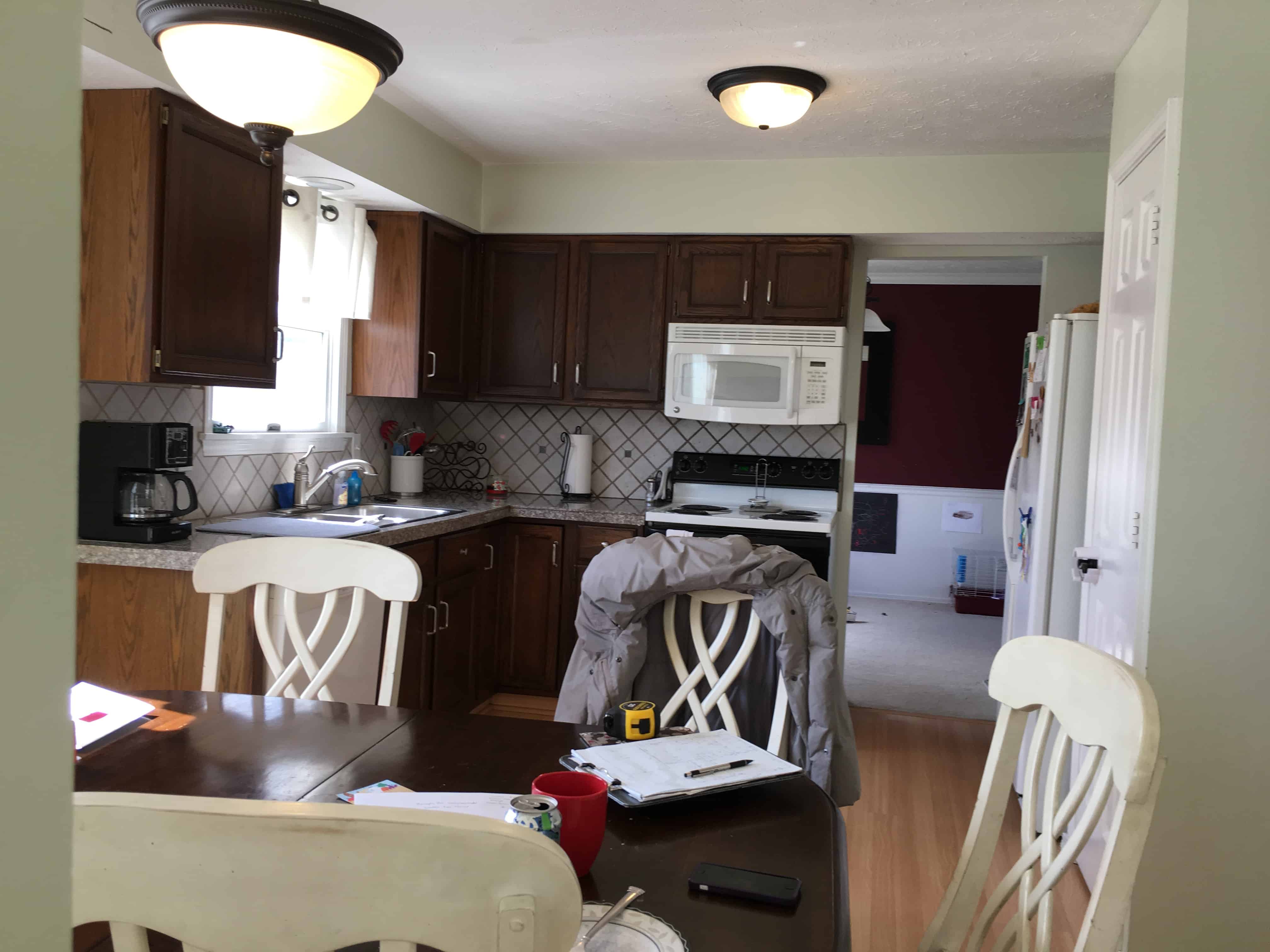
BEFORE


The existing floor plan featured a traditional, dated layout: The kitchen, dining and family rooms were all separated by walls.  Gathering with friends and family in the small, confined kitchen space was not very enjoyable—and it left the other rooms virtually unused.

Remodeling the kitchen and improving an inefficient design was our charge for this renovation. The homeowners knew they didn’t want walls in the new space, so our proposed design created one large cohesive living area, removing walls and all soffits in the kitchen; and then increasing counter surface and storage space with updated cabinet amenities—also top priorities for the homeowners.

Be sure to follow along: My next post will begin with demolition.

All the best,

Chika Aizu

Comments

Popular posts from this blog

Construction disputes were slightly less contentious last year

The resolution of global construction disputes remained steady in 2016, and the average time it took to resolve those disputes declined  bit, according to the seventh annual Arcadis Global Construction Disputes Report 2017, which is subtitled “Avoiding the Same Pitfalls.” This report reflects the construction disputes that Arcadis’ team handled around the world. The report infers that the roadblocks to expeditious and less cost dispute resolution often stem from the need for better contract administration, robust documentation, and a proactive approach to risk management. “Our industry contains the best problem solvers in the world,” the report states. “But there often seems to be a lack of ability or willingness of the project participants to compromise and resolve disputes at the earliest and most inexpensive stage possible.” Roy Cooper, Senior Vice President of Arcadis Contract Solutions, attributes disputes to “human emotions that can impede settlements, as they do with phys...

Quick turnaround: Partners HealtchCare

This administrative building, the largest in Somerville, Mass., consolidates 4,500 employees from 14 locations across Boston into one place. The project’s 30-month schedule was half of the typical time frame for such a building. So the Building Team had little margin for delays or mistakes. Twice-weekly meetings that included the client, AEC firms, and consultants were guided by seven core values that served as a roadmap during the design process. Once construction began, project leaders established a risk assessment group that identified and assessed potential problems weekly.  The building creates an “all-under-one-roof” organizational concept and culture, with a training center, multipurpose auditorium (available for use by campus residents, the local community, and the Partners’ network), community hubs, and outdoor spaces that include two acres of green space and walking paths. The facility is near a new subway stop, which connects the building to Somerville’s developing mix...

Green building advocates erect icehouses on Penn. state capitol steps to make point on codes

Advocates aiming to prompt Pennsylvania legislators to update the state’s building codes erected two icehouses on the steps of the state Capitol in Harrisburg to make a point about energy efficiency. One 8-foot-by-8-foot icehouse was built to current code; the other was built to passive house energy efficiency standards. In about three weeks, the project’s designers expect that the half-ton of ice in the less efficient shed will have melted completely, while the block in the high-performance building will still be about half of its original size. Pennsylvania has not updated its energy codes since 2009. Advocates also want state lawmakers to reform the process for adopting new codes. The Senate and House passed bills this spring to revise the state’s building code adoption process. A 2011 law requires an advisory board to approve each code change with a two-thirds vote. Interesting read originally from BDC Network